
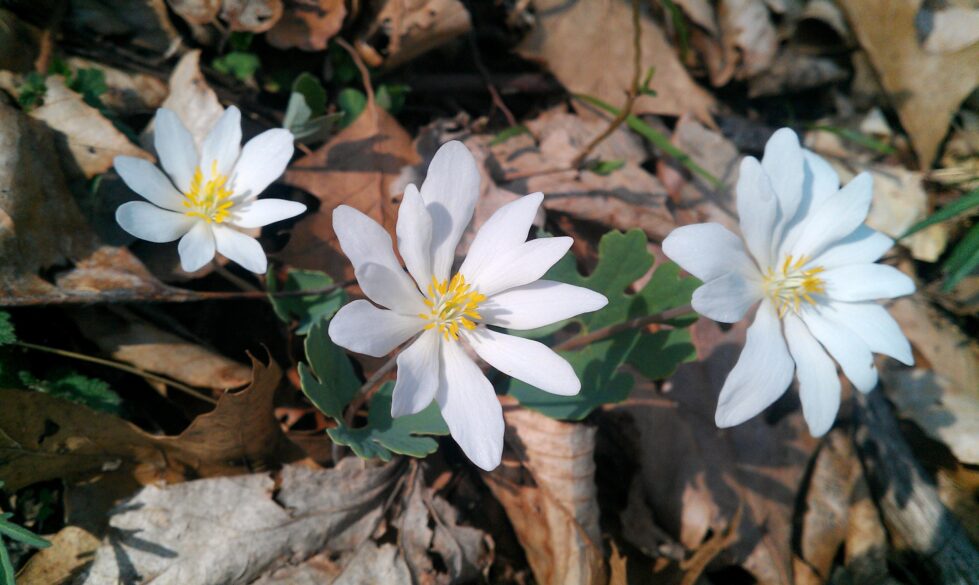
Spring is a time of renewal—longer days, warmer weather, and the stirrings of life above and in the soil. For many gardeners and landscapers, it’s also the traditional time for spring cleanups. But in our eagerness to tidy up, we may unknowingly sweep away crucial habitat and disrupt the life cycles of beneficial insects and wildlife.
Ecological spring cleanups are rooted in the idea that landscapes are living systems, not just outdoor décor. By shifting our mindset and management practices, we can support biodiversity, improve soil health, and foster more resilient gardens. Here’s how to take a gentler, more ecologically mindful approach to spring cleanups.
1. Start Slow: Wait Until It’s Warm Enough
Many pollinators and beneficial insects overwinter in leaf litter, dead stems, or just below the surface of the soil. Bumblebee queens, solitary bees, moths, butterflies, beetles, and fireflies may be sheltering in last year’s debris.
Rule of thumb: Wait until temperatures are consistently above 50°F (10°C) during the day for a full week before removing hollow stems. This gives insects time to emerge safely.
2. Leave the Leaves
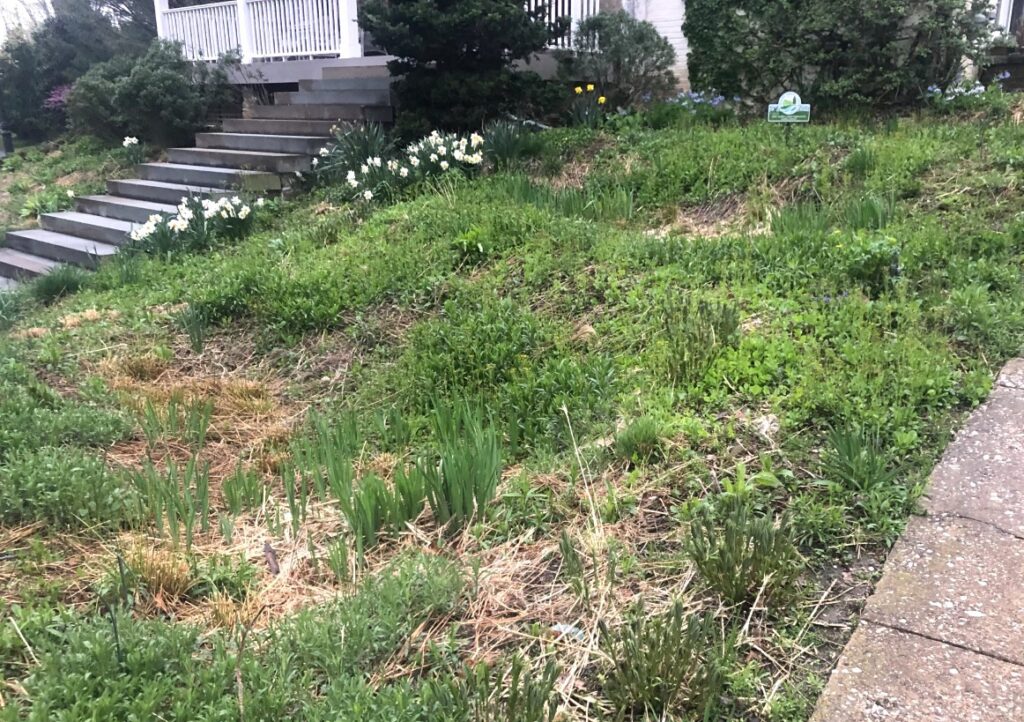
Leaves provide insulation for soil, food for decomposers, and habitat for countless invertebrates and other animals. Instead of raking everything away, consider:
- Leaving leaves in garden beds as a mulch layer that suppresses weeds and enriches the soil. This can also eliminate the need for using traditional hardwood mulch, saving time and money!
- Raking leaves into compost or wild areas if you need to clear paths or turf.
- Avoiding blowing leaves into woodlands or streams, where they can smother native plants and disrupt natural systems.
3. Treasure Debris
Last year’s hollow stems and seed heads may be home to overwintering bees, spiders, and other tiny allies. When you’re ready to tidy:
- Cut stems in stages, leaving some hollow stems standing at 12–18″ to allow cavity-nesting bees access.
- Place cut debris loosely in a brush pile or off in a corner, so any insects still emerging have a chance to survive.
- Chop and drop plant material in garden beds to keep nutrients cycling in the soil and insects where they belong.
4. Embrace Imperfection
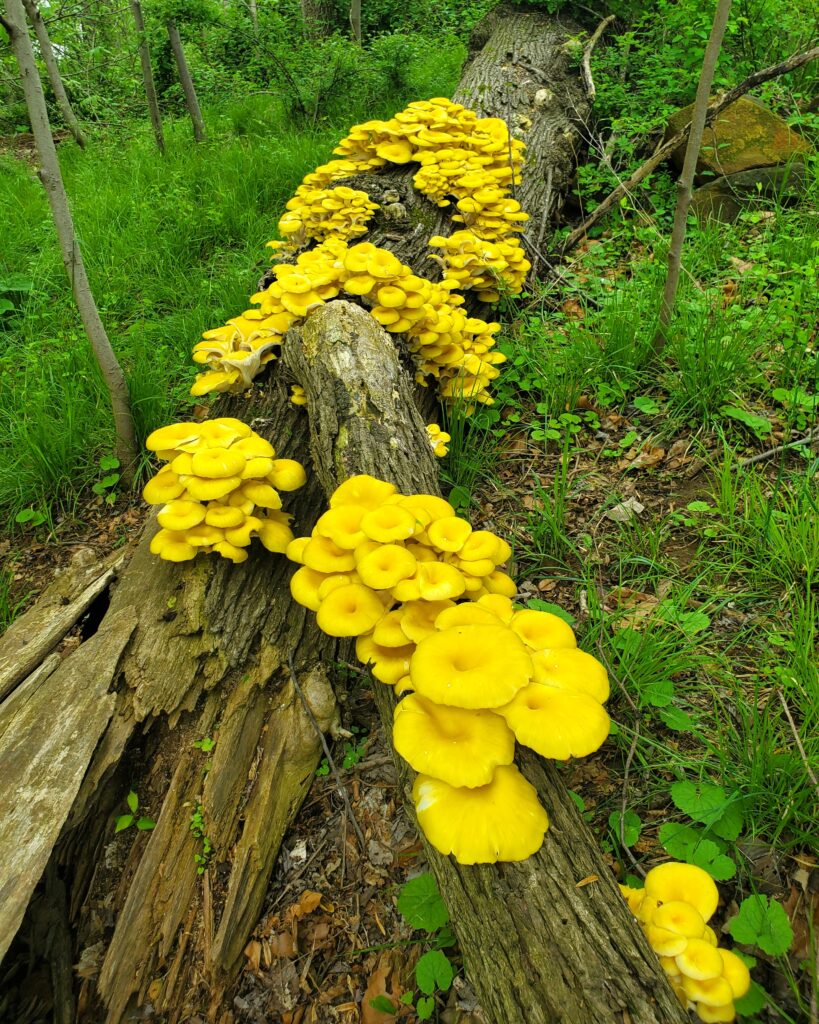
Nature isn’t sterile or tidy. Those seed heads that others cut back may be feeding goldfinches and juncos. A log or fallen branch might be home to salamanders or beetles. Consider:
- Designating areas of your yard as “wilder” zones, where cleanup is minimal.
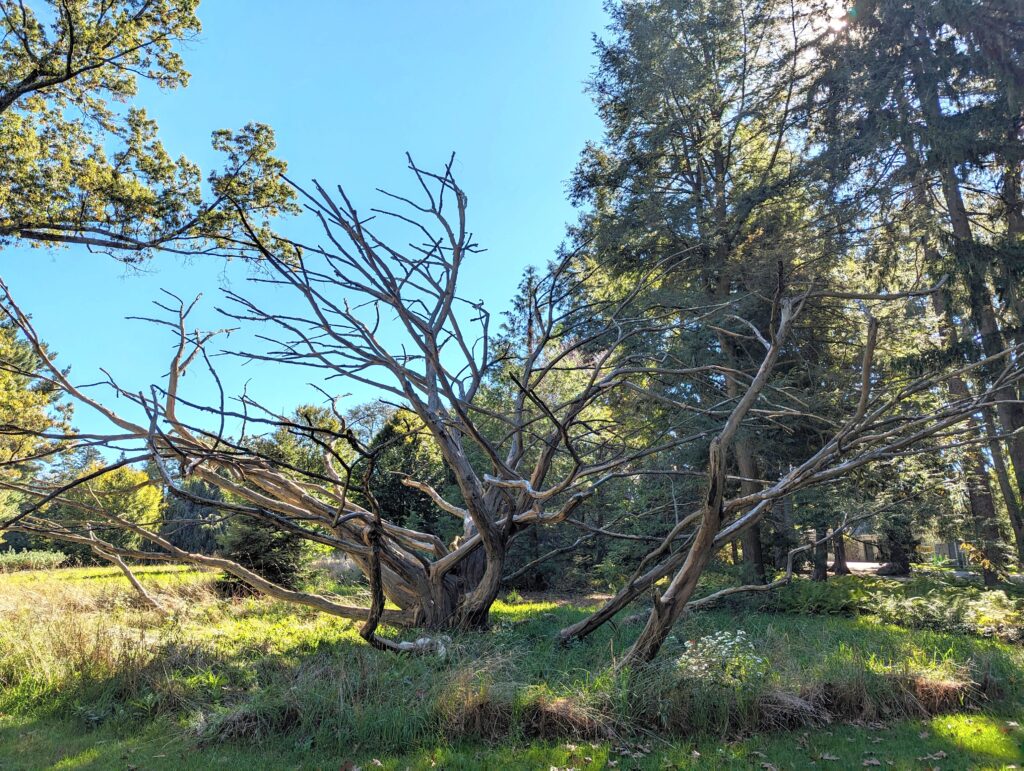
- Leaving standing dead trees (snags) if they pose no hazard—these are invaluable to birds and insects.
- Appreciating surprises, in less controlled landscapes full of subtle life.
5. Choose Your Tools Wisely
Avoid gas-powered blowers, which can harm soil structure, destroy habitat, and contribute to noise and air pollution. Instead:
- Use rakes and hand pruners, for precision and a lighter touch.
- Consider battery-powered tools with lower noise and emissions. Learn more at the American Green Zone Alliance.
- Choose high-quality, manual equipment—it’s amazing how you’ll fell when you move your body.

6. Think Beyond Spring Cleanups
Spring is a great time to assess your landscape and make plans for the growing season:
- Add native plants that provide habitat and food for pollinators and birds.
- Remove ecologically damaging plant species that outcompete native plants.
- Reconsider lawns—replace sections with meadows, shrubs, and garden beds.
Let Nature Lead
An ecological spring cleanup is about balance. You can still care for your space while being mindful of the life it supports. By aligning our cleanup routines with the rhythms of nature, we become better stewards of the land—and help create landscapes that are not just beautiful, but alive.
Small changes add up. What will you leave behind this spring—for the bees, the birds, and the beauty of a more connected world?