

As the vibrant greens of summer fade into the golds and russets of autumn, many property owners turn their attention to fall cleanups. Traditionally, this has meant raking, blowing, bagging, and hauling — all in the name of a “tidy” landscape. At GreenWeaver Landscapes, we see this season a little differently. Ecological fall cleanups balance beauty and order with ecological function, supporting soil health, wildlife habitat, and plant resilience through the colder months.
Rethinking the Fall Cleanup
A conventional cleanup often removes valuable organic material from the landscape. Leaves, stems, and seed heads are not “waste” — they’re valuable habitat and nutrient sources. Instead of viewing fall cleanup as an effort to erase nature’s messiness, consider it a chance to prepare your property to thrive through winter and into spring.
An ecological approach asks:
- What materials can safely stay on site to feed the soil?
- Which areas need maintenance for visibility, safety, or pest management?
- How can the cleanup process reduce carbon output and improve ecosystem health?
Leave the Leaves
Fallen leaves are nature’s mulch. They insulate roots, suppress weeds, and decompose into rich organic matter. Rather than bagging them, consider:
- Leave them in place: Leave leaves under trees, shrubs, and in perennial borders where they’ll act as natural compost.
- Mow over them: Run a mower over leaves to add organic matter that nourishes lawns.
- Redistribute thicker layers: Thick layers of leaves can smother plants, so redistribute them where they’ll do good.
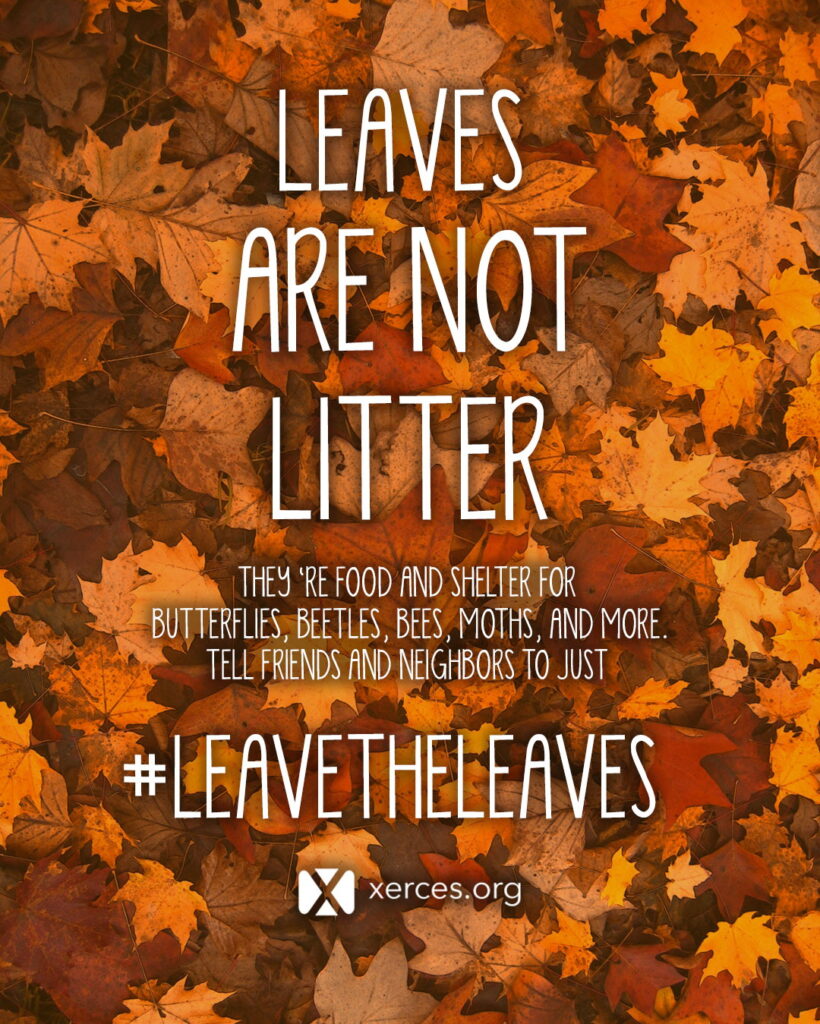
By keeping leaves on site, you’re recycling nutrients back into your landscape and reducing the need for fertilizers and commercial mulch.
Supporting Habitat Through Winter
Many pollinators, birds, and beneficial insects depend on plant debris for overwintering. Hollow stems, seed heads, and leaf litter provide essential shelter and food.
- Leave seed heads: Native plants like coneflowers, asters, and grasses provide winter interest and vital seeds for birds.
- Wait until spring to cut back. By April, most overwintering insects have emerged, and pruning then minimizes harm.
- Designate a “wild zone”: Even a small corner of unmown, undisturbed space can offer crucial refuge for wildlife.
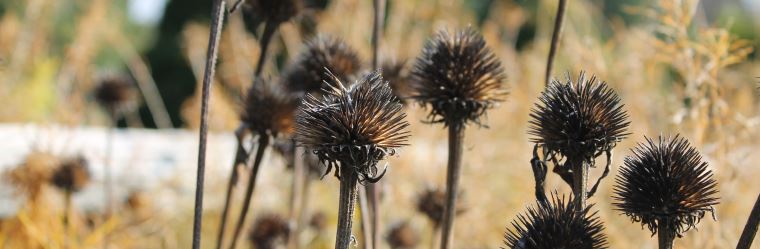
These practices help maintain the ecological connections that make your landscape healthier year after year.
Sustainable Tools and Techniques
Beyond what you remove or leave behind, how you perform the cleanup matters.
- Use electric or battery-powered tools: They reduce emissions and noise pollution.
- Compost on site: Instead of hauling debris away, create compost or brush piles for decomposition.
- Time your cleanup thoughtfully: Avoid working on wet soils, which can compact and damage soil structure.

These choices protect the land and lower your carbon footprint while keeping your property functional and beautiful.
Preparing for Spring
Fall is also a perfect time for proactive care:
- Plant native trees and shrubs: Cooler temperatures and fall rains support root growth and reduce stress on plants.
- Topdress beds with compost: A thin layer now will improve soil health for spring.
- Design for Spring: Fall is the perfect time to plan next year’s landscape project.
By taking a mindful, ecological approach to fall maintenance, you’re not just cleaning up — you’re setting the stage for healthier, more resilient landscapes.
Closing Thoughts
Ecological fall cleanups remind us that landscapes are living systems. At GreenWeaver Landscapes, we believe every cleanup is an opportunity to restore balance between people and nature. This fall, consider leaving a little wildness — your land, and the creatures that depend on it, will thank you.