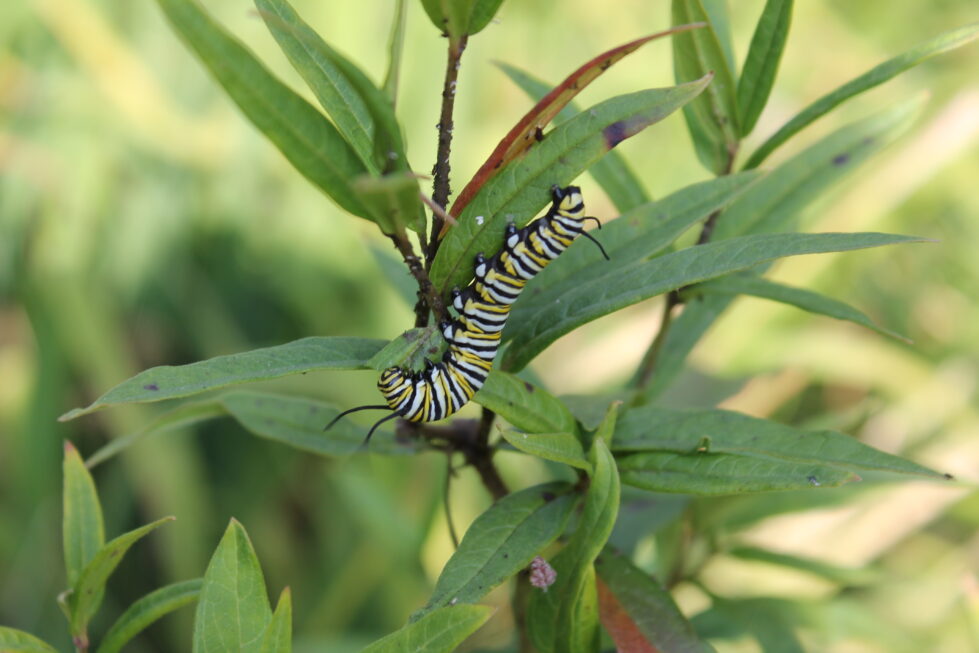
Many people are aware of the threats to Monarch Butterflies and honeybees, yet they do not like other bugs. While these two pollinators are very important, we should start looking at ecosystems as a whole and understand that insect populations are a critical piece to the health of your property.
Several recent studies have measured insect populations, and they have yielded some alarming results. Overall, it appears that worldwide insect populations have dropped as much as 45% over the last four decades. Reasons include pesticide use, habitat loss, climate change, introduced species, and pollution, and is likely a combination of these.
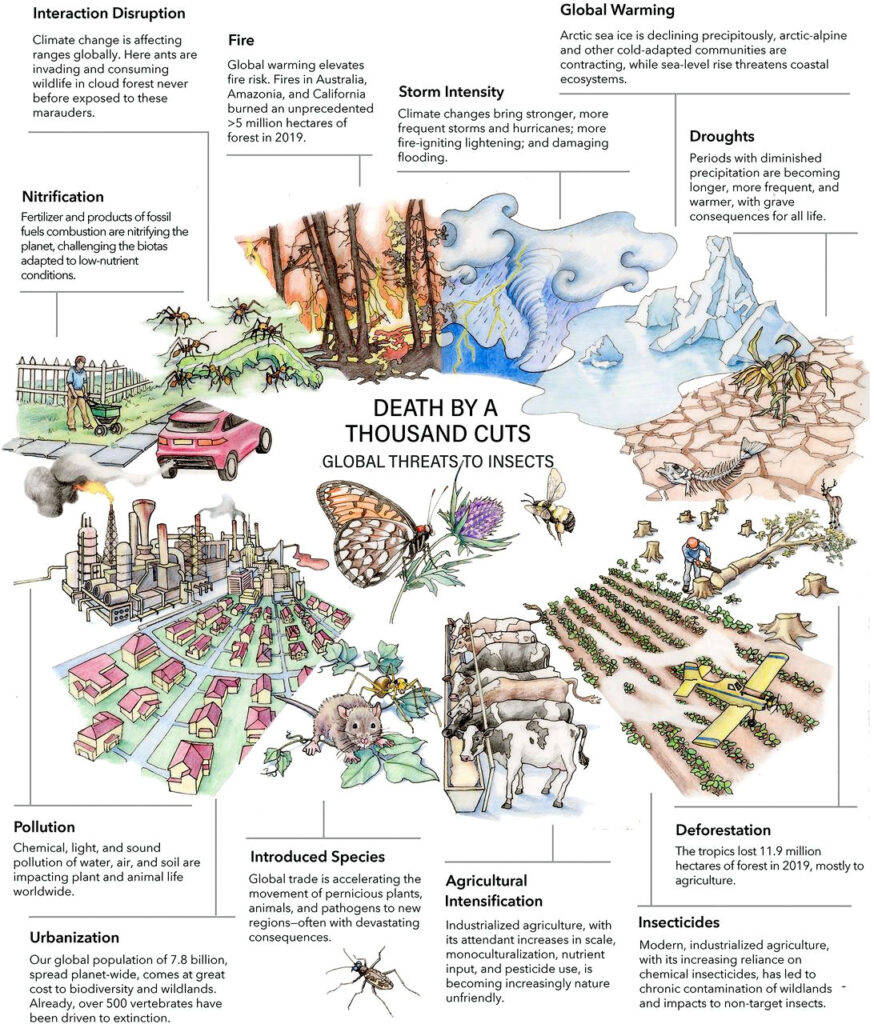
Death by a thousand cuts: Global threats to insect diversity. Stressors from 10 o’clock to 3 o’clock anchor to climate change. Featured insects: Regal fritillary (Speyeria idalia) (Center), rusty patched bumble bee (Bombus affinis) (Center Right), and Puritan tiger beetle (Cicindela puritana) (Bottom). Each is an imperiled insect that represents a larger lineage that includes many International Union for Conservation of Nature “red list” species (i.e., globally extinct, endangered, and threatened species). Illustration: Virginia R. Wagner (artist).
In an era with insect borne diseases such as Lyme disease, malaria, and Zika virus, some people think this is a good thing. However, when we understand the roles that insects play in our environment, we begin to understand their importance. Scientists are now trying to quantify and place a monetary value on the ecosystem services that different organisms provide to us, including insects. Below is a list of some of these services:
Ecological Services Provided by Insects
Pollination
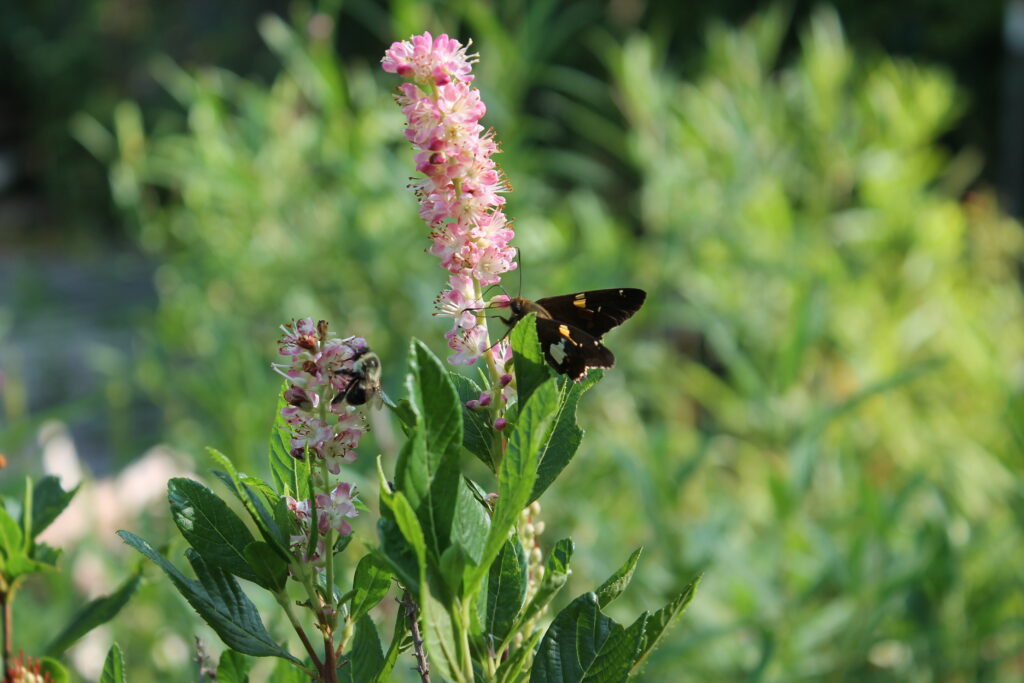
Most people know that domesticated honey bees are important for the pollination of our crops, and that recently there have been serious problems with colony collapse disorder. We tend to be less aware of wild pollinators such as bumblebees, hoverflies, and moths which are equally important. Different flower shapes require different insects for pollination. In nature, one size does not fit all. Simply put, for an abundance of flowers, we need an abundance of insects.
Waste Removal and Decomposition
Without insects, we would be swimming in waste. Insects such as ants, help break down decaying material and move it into the soil.
Soil Health and Aeration
Moving this decaying material into the soil also vastly improves soil health by loosening the soil and providing organic material. Insects themselves add additional nutrients through molting, defecation, and eventually death.
Food Source
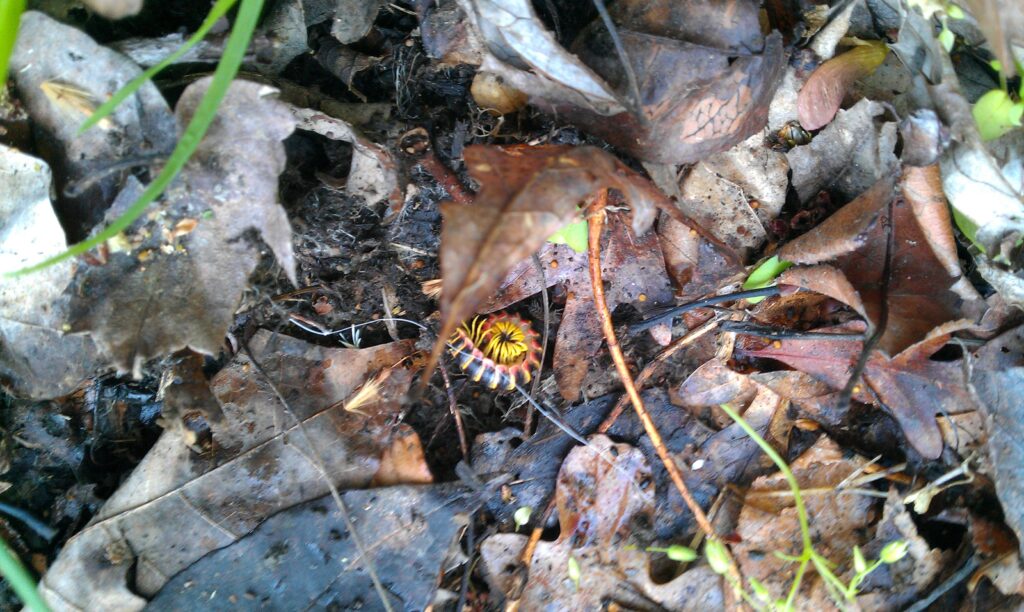
Lots of animals love bugs! Insects are a food source for birds, fish, amphibians, and mammals. We need large populations of insects to feed other animals that are vital to our ecosystem.
Pest Control
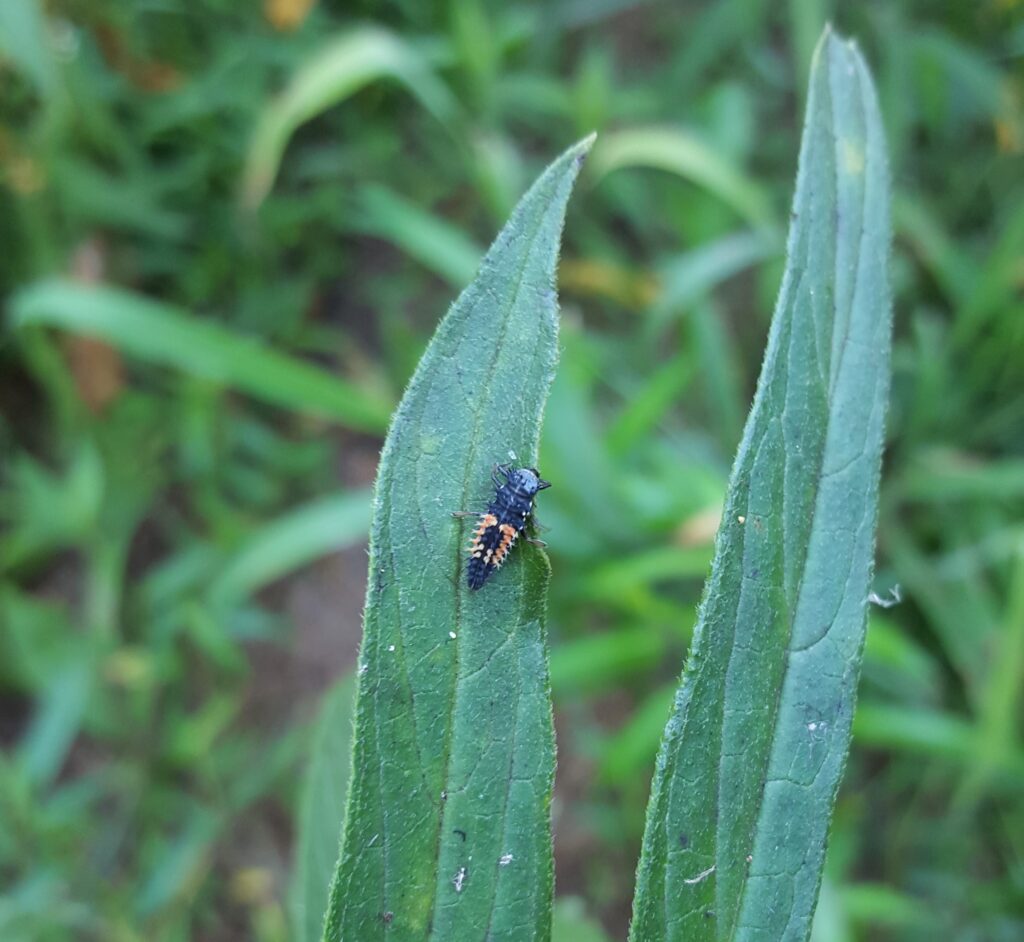
Beneficial insects such as ladybugs are often our best defense against other pests such as aphids. Other insects such as wasps, dragonflies, beetles, and lacewings keep populations of problematic species in check.
So now that you have an understanding of the importance of insects, let’s explore what we can do to assist in restoring healthy insect populations.
Ways You Can Protect Insect Populations
Reduce Turfgrass
Most properties have lawn, but these areas are generally inhospitable to wildlife including most insects. Reduce turfgrass where possible; otherwise keep it healthy. In place of grass, plant a variety of native plants.
Reduce Pesticides
There are far-reaching implications to pesticide use that impact many unintended species. For instance, using pesticides to protect our ash trees from the devastating Emerald Ash Borer will affect every insect that nibbles on our ash trees. Take the use of pesticides very seriously, learn how to use pesticides responsibly, and always use the least toxic option.
Eat Locally
Small, local farms tend to have a much smaller impact on the environment than large farms that grow one crop. These large farms, or agribusinesses, create vast areas that produce cheap food, but are extremely damaging to the environment. So choose, locally produced food that supports the local economy, tastes better, and is better for you!
Turn Off the Lights
Light pollution is having a devastating affect on nocturnal insect populations. Moths, fireflies, and Katydids make summer evenings magical but they evolved in darkness. Visit Dark Sky International to learn about safe and effective ways to light your property.
Love Bugs!
Insects are endlessly fascinating and essential to the health of our planet. OK, so maybe you will never love them, but at least learn to appreciate them. And if you do think they are cool, tell others. For some reason, they seem to have an image problem.
Support Conservation Organizations
One such organization that focuses on invertebrates including insects is the Xerces Society. Donations are always welcome.
Although insects can be pesky and a small number of them may cause health problems for humans, they play an indispensable role in our environment. So as with everything outdoors, respect the complexity of our world, including the role of insects.