Invasive plant species are a growing concern for ecosystems, economies, and communities across the United States. With an estimated $120 billion spent annually on controlling ecologically damaging species, understanding their impact and how to manage them is more important than ever. This article explores what makes a plant problematic, the ecological and economic risks they pose, and actionable strategies for effective management.
What Are Invasive Plants?
According to the USDA, an invasive species is:
- Non-native to the ecosystem under consideration
- Likely to cause economic or environmental harm, or harm to human health
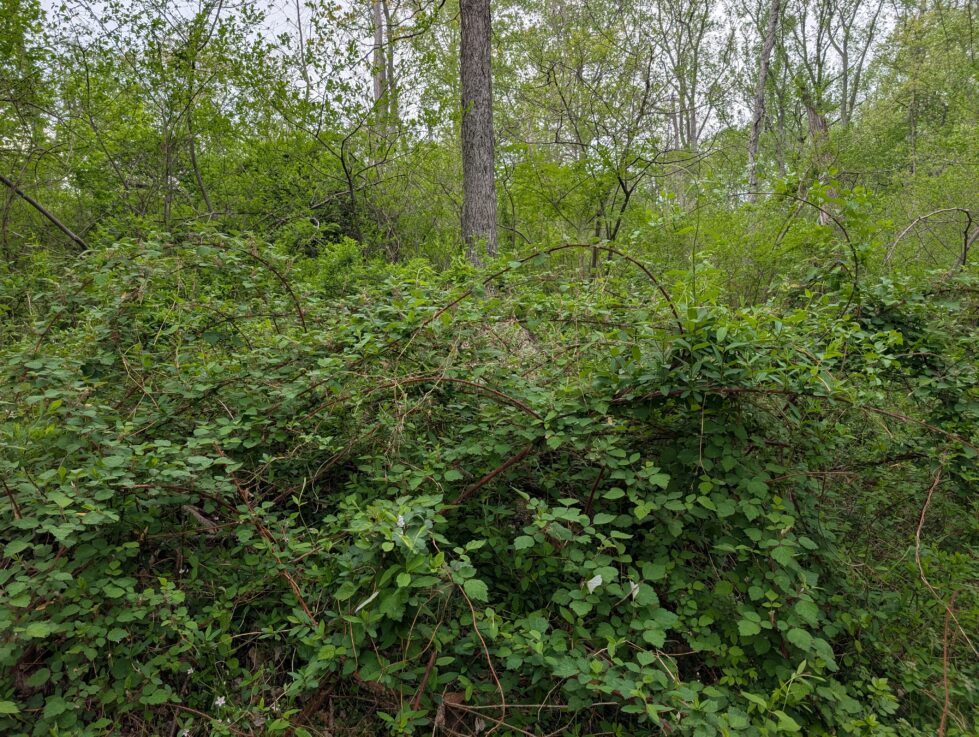
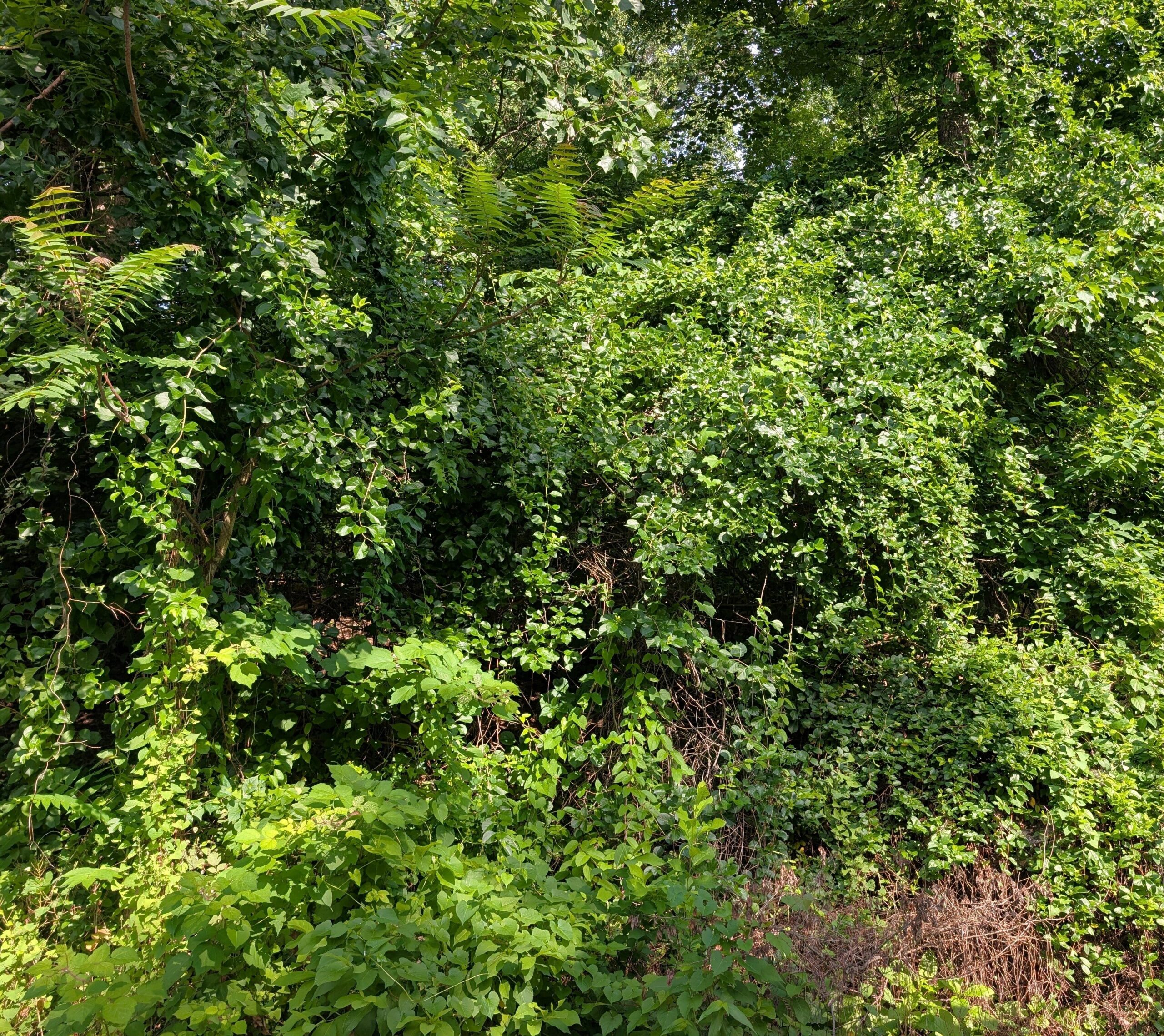
Once established, ecologically damaging plants can spread rapidly, outcompeting native species and disrupting local habitats. When this happens, the food web that depends on native species is compromised, crops are damaged, and diseases such as Lyme disease go unchecked.
What Does a Healthy Ecosystem Look Like?
Many people have never seen a truly healthy woodland or meadow. Generations of neglect and invasion have made degraded landscapes feel normal. A healthy native ecosystem is defined by biodiversity – a layered community of plants, insects, birds, and soil organisms that support one another. Native plants form the foundation of that web, providing food, shelter, and habitat that non-native species simply can’t replicate.
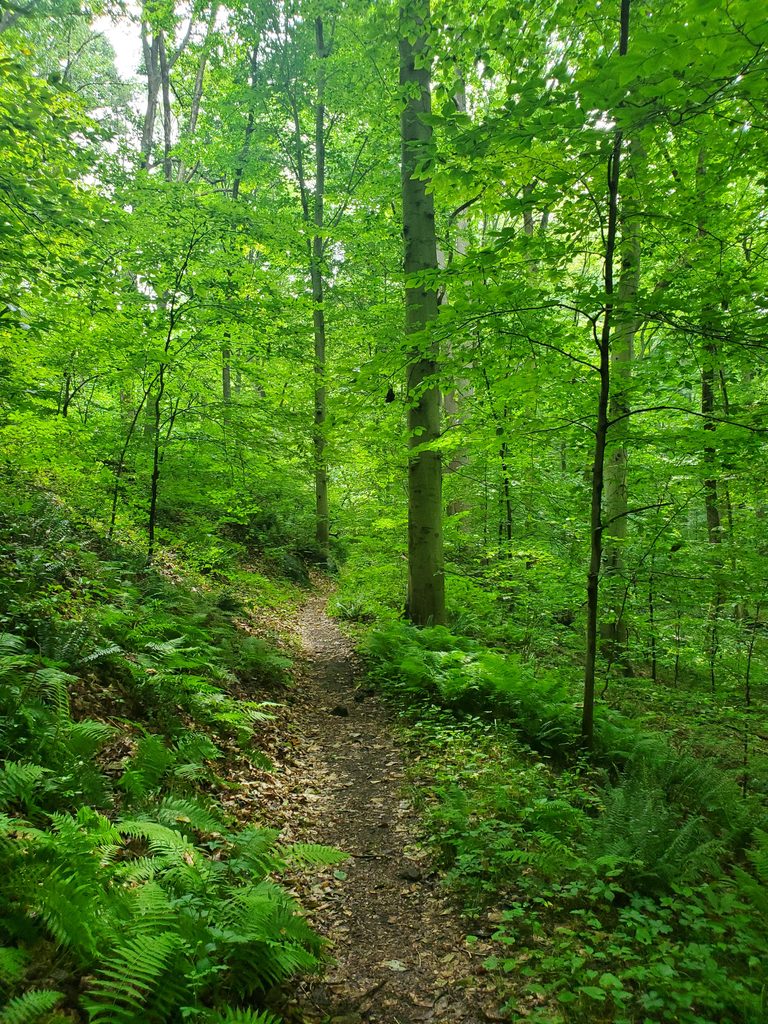
When invasive plants take hold, that web unravels. Native species are crowded out, food sources disappear, disease vectors like tick populations go unchecked, and the land loses its resilience. Restoration means rebuilding that foundation.
Understanding the Costs
As invasive species populations grow, so do the costs and challenges of control. Early intervention is key:
- Prevention is the most cost-effective approach. It is far easier to control small populations of potentially damaging plant species than trying to remove them once they have become established.
- Eradication and containment become more difficult as infestations spread, but with many populations, it is still possible with sustained effort and commitment.
- Long-term management is necessary for established populations. Some species cannot feasibly be eradicated and management shifts to control.
All properties require ongoing management and that cost should be budgeted accordingly.
Why Good Intentions Aren’t Enough
Many people spend tremendous amounts of time and energy trying to control invasive plants, only to see minimal progress. The problem is often due to a lack of information and a systematic approach.
To make the best use of limited time, money, personnel, and equipment, create a management plan to help best use resources and make a lasting impact.
Building a Restoration and Management Plan
A successful management plan involves these key steps:
- Set Goals: Primary goals may be aesthetic, ecological, or functional.
- Assess Resources: Determine what time, budget, skills, and equipment are available.
- Survey Existing Conditions: Document both healthy and ecologically damaged areas so you can develop strategies and measure changes over time.
- Map Target Areas: Identify high-priority zones based on goals and resources available.
- Assign Responsibilities: Designate who is responsible for specific tasks.
- Implement Controls: Use appropriate removal or suppression methods based on goals.
- Track Time and Resources: Monitor labor, time, and costs.
- Evaluate and Adjust: Review what is working and adapt strategies.
- Restore with Natives: Replant with vigorous native plants to suppress re-growth of unwanted species and increase biodiversity.
- Scout Routinely: Regularly check for emerging problematic plants and address them early.
Strategies for Success
Protect Healthy Areas First. It is tempting to work in overgrown areas first, but that approach has a critical flaw: while you’re addressing degraded areas, ecologically damaging plants degrade healthy ones. Best practice is to move from the healthiest areas to the most compromised.
Know Your Target. Understanding a plant’s life cycle and how it spreads is essential – controls differ significantly between annuals and perennials and between herbaceous plants and woody trees and shrubs.
Focus Your Effort. Sometimes it makes sense to eradicate one species before moving to the next. If an entire population can be controlled in one or two seasons, this is a great option.
Other times, working in sections – clearing an area, stabilizing it with native plantings, then moving on- is more practical. Choose manageable areas and get control before moving on to the next.
Fill the Void. As the saying goes: Nature abhors a vacuum. So quickly replace areas that have been cleared of invasive plants with native species. Monitor these new plantings during the first several years to ensure they become well established and continue to scout for the re-emergence of problematic species.
Set realistic expectations. Problematic plants establish over many seasons; and getting them under control will likely take many seasons too. Take photos prior to starting your project. They will inform management, and documents progress so you can see how far you have come.
A Note on Chemical Control. Herbicides can be a cost-effective tool in a broader restoration strategy – when used with precision, strict label adherence, and proper personal protective equipment. Any person applying pesticides professionally must be licensed by their state.
Common Invasive Plants and Their Control Methods
Choosing the right control method starts with identifying the plant and understanding its life cycle.
- Annuals grow, flower, and set seed in a single year. Seeds may lie dormant for years before germinating, so preventing seed set is critical to control.
- Biennials complete their life-cycle in two years. In year-one, leaves grow and roots develop. Flowering and seeding occurs in year two..
- Perennials persist for multiple years and include both herbaceous and woody plants. Many go dormant in the winter but return the following spring.
Below are examples of different types of plants and their control methods. As you learn more about how different plants spread, you can apply appropriate controls to different species.
Herbaceous Plants
Garlic Mustard (Alliaria petiolata) is a biennial plant meaning that it flowers in its second year. Keep it from going to seed to disrupt its spread. The easiest way to manage large areas is to line-trim the flowers while in bloom, disrupting seed production. The seeds that are already in the soil can persist for many years, so minimize soil disturbance (including hand pulling) which can bring them to the surface, allowing them to germinate.

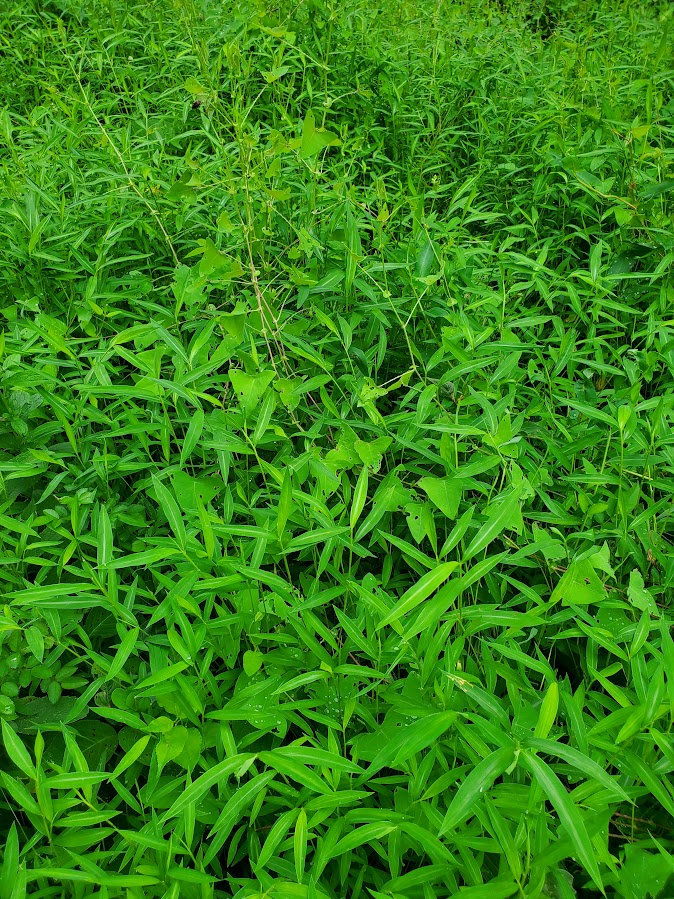
Japanese Stiltgrass (Microstegium vimineum) is an annual plant that goes to seed in late summer and can grow densely enough to form a thick mat, crowding out other plants. Mowing can disrupt seed dispersal; however, timing is critical: too early in the season, it will produce seeds below the cut; too late, you will simply spread the seed. Manual pulling and chemical control are also options. On most sites, eradication is not feasible, so replanting with vigorous native plants and managing populations may be the best option.
Lesser Celandine (Ficaria verna) is a spring ephemeral, meaning that it emerges in early spring and goes dormant by summer. For small infestations, dig out the underground tubers and dispose of it in the trash (not the compost). Large areas can be treated by targeted herbicide applications.

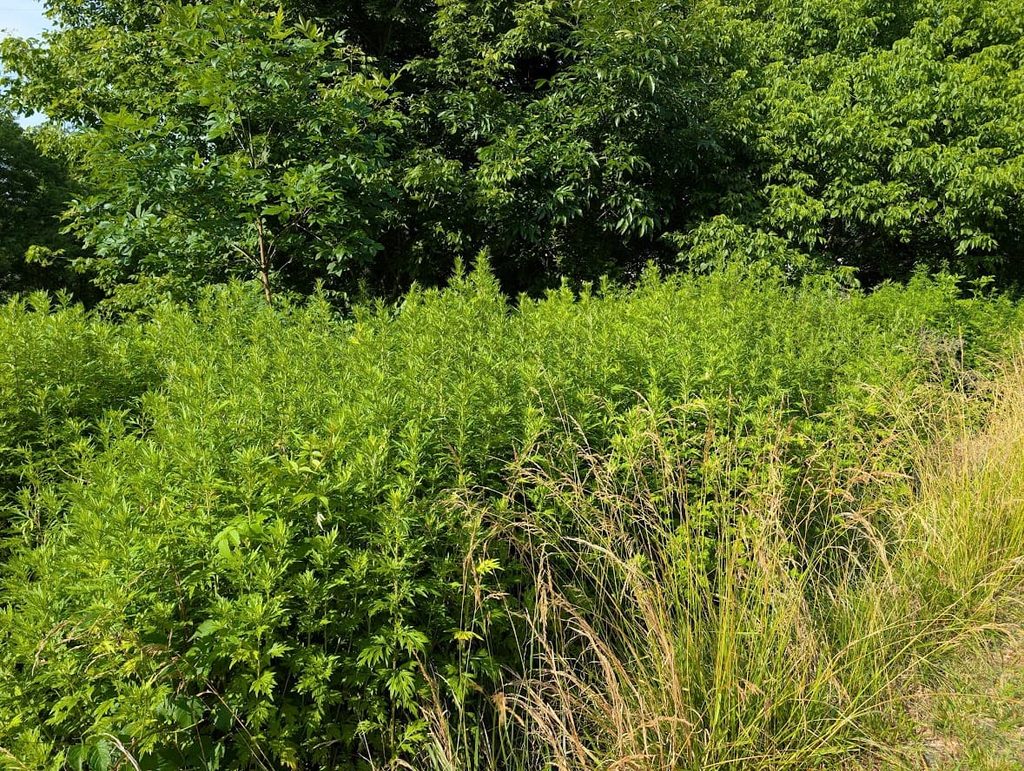
Mugwort (Artemesia vulgaris) is a vigorous perennial that spreads both by seed and by underground stems called rhizomes. It prefers full sun, so planting trees to create shade can be a long-term strategy. Mow regularly to prevent it from seeding and dig up small populations. Large areas may be controlled by herbicides.
Shrubs
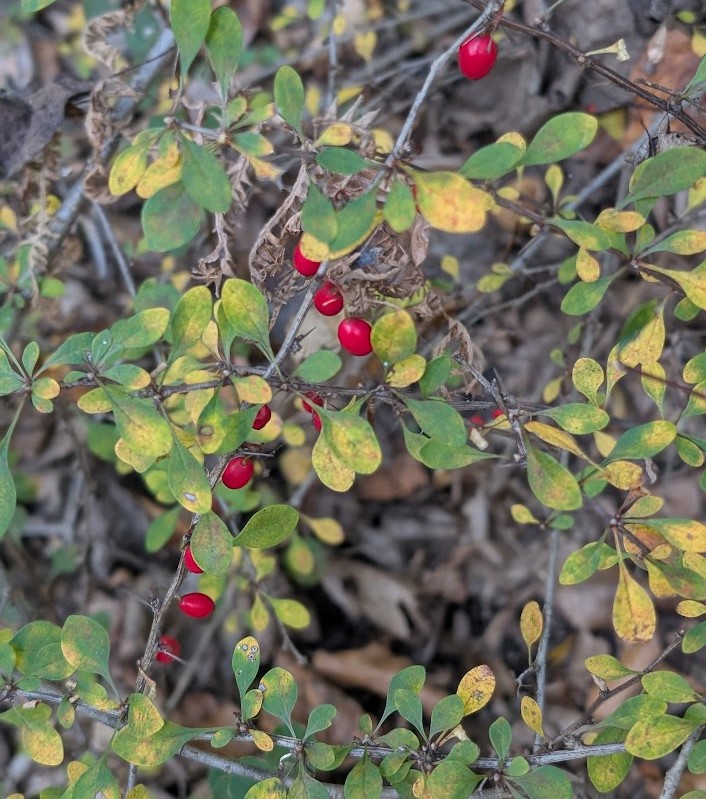
Japanese Barberry (Berberis thunbergii) and Multiflora Rose (Rosa multiflora) are thorny shrubs with fruit that are disbursed by birds – though birds prefer native berries if available. Control is difficult because stumps readily re-sprout. For lasting results and minimal ecological damage, cut back and dab the stumps with herbicide. Both are easy to identify in winter months making them great off-season targets.
Winged Euonymus (Euonymus alatus) has been widely planted as an ornamental plant although its ability to invade natural areas was first documented in the 1970s. It was added to the PA Controlled Plant and Noxious Weeds list in 2023. Unlike barberry, it does not easily re-sprout from stumps, so it is possible to cut back, dig out, or hand pull without concern of regrowth. Larger areas may be managed by brush mowing and replanting.

Vines
Vines can grow over other plants, blocking their ability to photosynthesize and forming an impenetrable wall along the edges of woods. The good news is that most vines need sunny conditions to thrive so shade can be one of your management tools. Plant trees to form a canopy, and shrubs along woodland borders, and routinely scout for new vines for long-term management success.
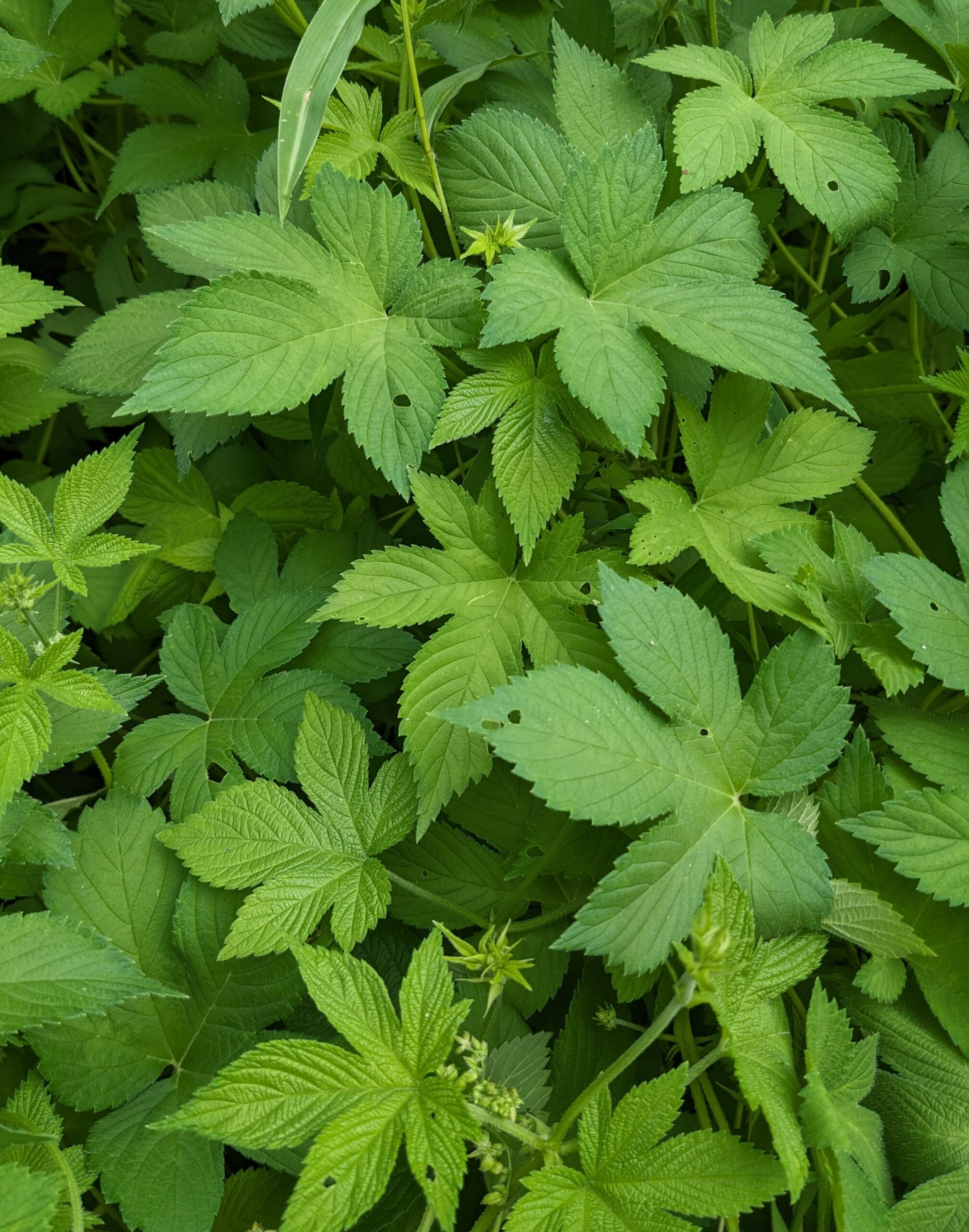
Japanese Hops (Humulus japonicus) and Mile-a-Minute (Polyganum perfoliata) are annual vines that bloom in mid-summer. Both thrive in full sunlight, can grow in a variety of soil types, and both are thorny or prickly enough to make hand pulling unpleasant. Japanese Hops seed is frequently spread along riparian areas and may last in the soil three or more years. Mile-a-Minute’s seeds are spread by birds and can last in the soil for up to six years, making complete eradication unlikely. Since both are annuals that like full sun, keep them from going to seed. Target plants in early summer and manage them through the rest of the growing season. Since they are both difficult to handle, use a hard rake for hand pulling or mow large areas and follow up with a native tree planting to create shade.
Oriental Bittersweet (Celastrus orbiculatus) and Japanese Honeysuckle (Lonicera japonica) are perennial vines that spread by both their roots and fruit. Control without herbicide requires persistently cutting vines and digging out roots. If herbicides are selected, cut and dab or hack and spray the stems for the most targeted applications. Leave cut vines in trees because pulling can damage their branches. Target vines in winter to avoid the appearance of dead foliage in trees during the growing season.
Tools of the Trade
- Forestry mower
- Chain saw
- Weed wrench
- Dabber
- Line trimmer
- Mower
- Sprayers
- Machete
Additional methods worth exploring: prescribed fire, grazing (goats), and biological controls.
Resources for Further Action
Conclusion
Managing invasive plants is a complex but achievable task with the right knowledge, planning, and persistence. By understanding the species involved, prioritizing your actions strategically, and restoring native habitats, you can restore ecosystems that sustain wildlife, clean water, and provide healthy places for humans to enjoy.
For information about caring for smaller properties, pick up some garden tips from the pros. And of course, you can always contact GreenWeaver for furthur assistance.